
Capturing Customer Attention With a Sign Install
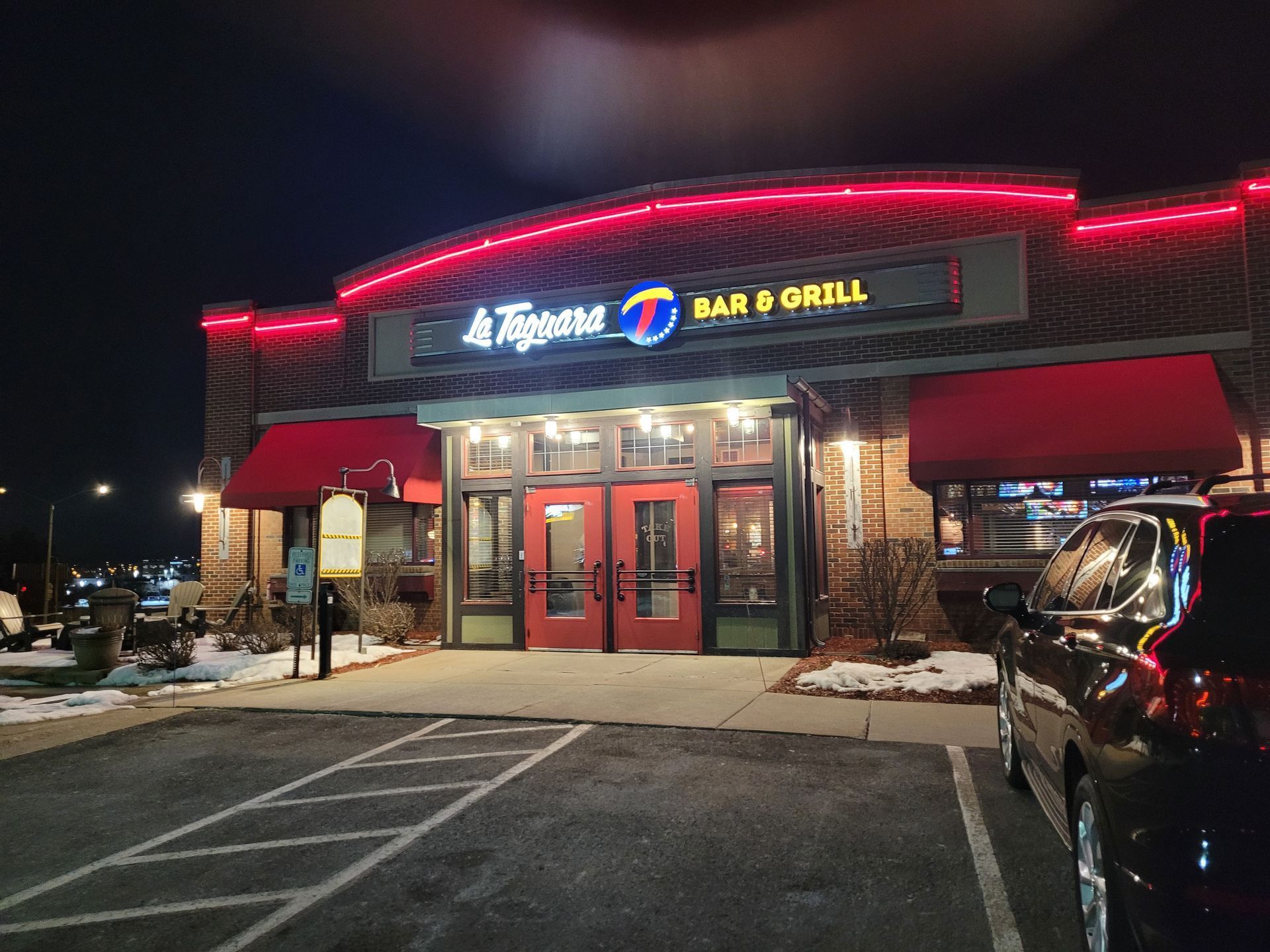
In today’s highly competitive business environment, attracting customers requires more than just a great product or service. Your signage is often the very first impression a potential customer has of your business, and it can make or break their decision to come inside. According to LinkedIn, a significant 76% of consumers report entering a store or business they’ve never visited before based on its signage. This means that signs aren’t just decorative—they’re a fundamental tool for generating interest and attracting new foot traffic. Whether it’s a bold storefront sign, a well-placed sidewalk display, or a dynamic digital board, the right signage can create curiosity and draw attention in ways other marketing strategies cannot. Professional sign installs ensure that each sign is visually appealing, strategically positioned, and designed to convey your brand’s message clearly. Signs that successfully capture attention work around the clock, communicating professionalism and brand identity even when your business is closed. By focusing on capturing customer attention, businesses can establish the first connection that often leads to deeper engagement, higher sales, and increased loyalty.
Influencing Decisions with Color and Typography
Colors and typography do more than make your signage look attractive—they influence perception, emotion, and decision-making. Warm colors like red, orange, and yellow can create a sense of urgency, energy, and excitement, prompting customers to take action. Cooler tones such as blue, green, and purple often convey trust, calmness, and reliability, making people feel comfortable approaching your business. Typography also plays a crucial role in readability and overall message delivery. Bold, legible fonts ensure that your message is understood quickly, while overly decorative or intricate fonts may confuse or deter viewers. Combining the right colors and typography can make a powerful statement, reinforcing brand identity while subtly influencing behavior.
Professional sign installs take these elements into account, ensuring that every visual aspect of your signage communicates clearly and resonates with your audience. When customers encounter signage that aligns with their expectations and communicates visually, they are more likely to engage with your business. This is especially true for first-time visitors, who may make decisions about whether to enter a store in just a few seconds. By thoughtfully choosing colors and fonts that reinforce your brand and message, you can influence customer decisions even before they step through the door. Strategic use of color and typography transforms signage from a simple display into an effective tool for guiding consumer behavior.
Maximizing Readability and Simplicity
Even the most attractive signage fails if people cannot read or understand it quickly. Simplicity is a key component of effective design. Signs should focus on delivering a clear, concise message without overwhelming the viewer. Proper spacing, high-contrast colors, and minimalist design principles allow customers to grasp the intended message in just a glance. Busy streets, crowded sidewalks, or fast-moving traffic mean potential customers only have a few seconds to process your sign. Overly complicated graphics or cluttered layouts can detract from comprehension and reduce the likelihood of engagement. Investing in professional sign installs ensures that your signage is both visually appealing and highly functional, prioritizing readability above all else. Simplicity in signage conveys professionalism and reliability, signaling to customers that your business is organized, trustworthy, and attentive to detail. When messages are easy to read and understand, customers feel more confident about interacting with your business. This is particularly important for impulse visits, as customers often make split-second decisions about whether to enter a store based on what they see. Maximizing readability and simplicity helps ensure that your signage effectively captures attention, communicates key information, and encourages meaningful interactions.
Communicating Messages through Imagery and Symbols
Imagery and symbols are powerful tools for conveying information quickly and memorably. Visual elements such as icons, logos, and graphics can communicate complex ideas in seconds, often more effectively than words alone. For example, a coffee cup icon immediately identifies a café, while a shopping bag symbol communicates retail offerings. Images help make signage more engaging and easier to remember, increasing the likelihood that customers will recognize and return to your business.
Visual storytelling also transcends language barriers, allowing your signage to communicate with diverse audiences. During professional sign installs, imagery and symbols are carefully selected to complement messaging, attract attention, and reinforce brand identity. Combining visuals with clear, legible text ensures that your signage communicates efficiently, enhancing its overall impact. Customers are more likely to remember and trust a business that uses consistent, high-quality visuals, which is why imagery and symbols are essential elements of effective signage. By strategically incorporating visual cues, businesses can communicate key messages quickly and create a memorable first impression that drives engagement and loyalty.
Enhancing Engagement with Cultural and Local Considerations
Cultural and local context plays a significant role in how signage is perceived and interpreted. Colors, imagery, and messaging can carry different meanings in different communities. What resonates in one neighborhood may be misunderstood or even off-putting in another. Taking local preferences and cultural sensitivities into account ensures that signage is welcoming, relatable, and effective. Businesses that tailor their signage to local audiences demonstrate awareness and respect, which can foster trust and positive engagement. Professional sign installs consider these cultural and regional nuances, ensuring that signs are strategically designed and positioned to resonate with the intended audience. When signage aligns with local expectations, it encourages engagement and creates a stronger connection between customers and the business. Incorporating cultural and local considerations into your signage strategy helps avoid miscommunication, enhances brand perception, and maximizes the likelihood of attracting and retaining customers. Thoughtful engagement through signage builds credibility and trust, reinforcing your business’s presence within the community.
Driving Foot Traffic with Different Types of Signs
Signage comes in many formats, each serving a distinct purpose in attracting customers. Outdoor signs are the first point of contact, capturing the attention of pedestrians and drivers alike. Indoor signage improves navigation, highlights promotions, and enhances the overall customer experience. Digital signs offer dynamic content, allowing messages to be updated in real time, while billboards and promotional signs extend visibility to a broader audience.
Coordinated, professional sign installs ensure that each type of signage works together seamlessly to guide customers from awareness to action. Using a variety of signs increases exposure, engages different types of audiences, and creates multiple touchpoints for interaction. Businesses that strategically combine different signage formats are more likely to increase foot traffic, encourage repeat visits, and improve overall customer satisfaction. By understanding the role of each type of sign, companies can develop a comprehensive strategy that maximizes the effectiveness of their signage investment. Driving foot traffic through well-planned signage is an ongoing process that supports long-term growth and brand recognition.
Optimizing Results through Placement and Measurement
Even the best signage will fail if it isn’t placed strategically. Location, angle, height, and visibility are all critical factors in ensuring maximum effectiveness. High-traffic areas, eye-level positioning, and strategic angles can dramatically increase engagement. Signs placed near points of sale can influence last-minute purchases, while outdoor signage along busy streets attracts a larger audience. Measuring the performance of your signage is equally important. Using customer feedback, foot traffic data, and sales analytics provides insight into which signs are most effective and which may need adjustments. Professional sign installs ensure that signage is both visually appealing and strategically placed to optimize results. By combining careful placement with ongoing measurement, businesses can continuously improve their signage strategy, maximizing return on investment. Optimizing signage through thoughtful installation and performance tracking ensures that each sign not only attracts attention but also contributes to long-term business success. Businesses that prioritize placement and measurement are more likely to see sustained growth, increased customer engagement, and higher brand recognition.
Signage is more than just a visual element—it is a strategic tool for attracting, engaging, and retaining customers. By focusing on capturing attention, influencing decisions with color and typography, maximizing readability and simplicity, communicating through imagery and symbols, enhancing engagement with cultural and local considerations, driving foot traffic with different types of signs, and optimizing results through placement and measurement, businesses can maximize the impact of their signage. Professional sign installs tie all these elements together, ensuring that every sign is visually appealing, strategically placed, and highly effective. Well-designed signage creates lasting impressions, encourages customer interaction, and strengthens brand identity. Don’t leave the success of your signage to chance—partner with Capital City Signs today and start attracting customers like never before.


Share On: