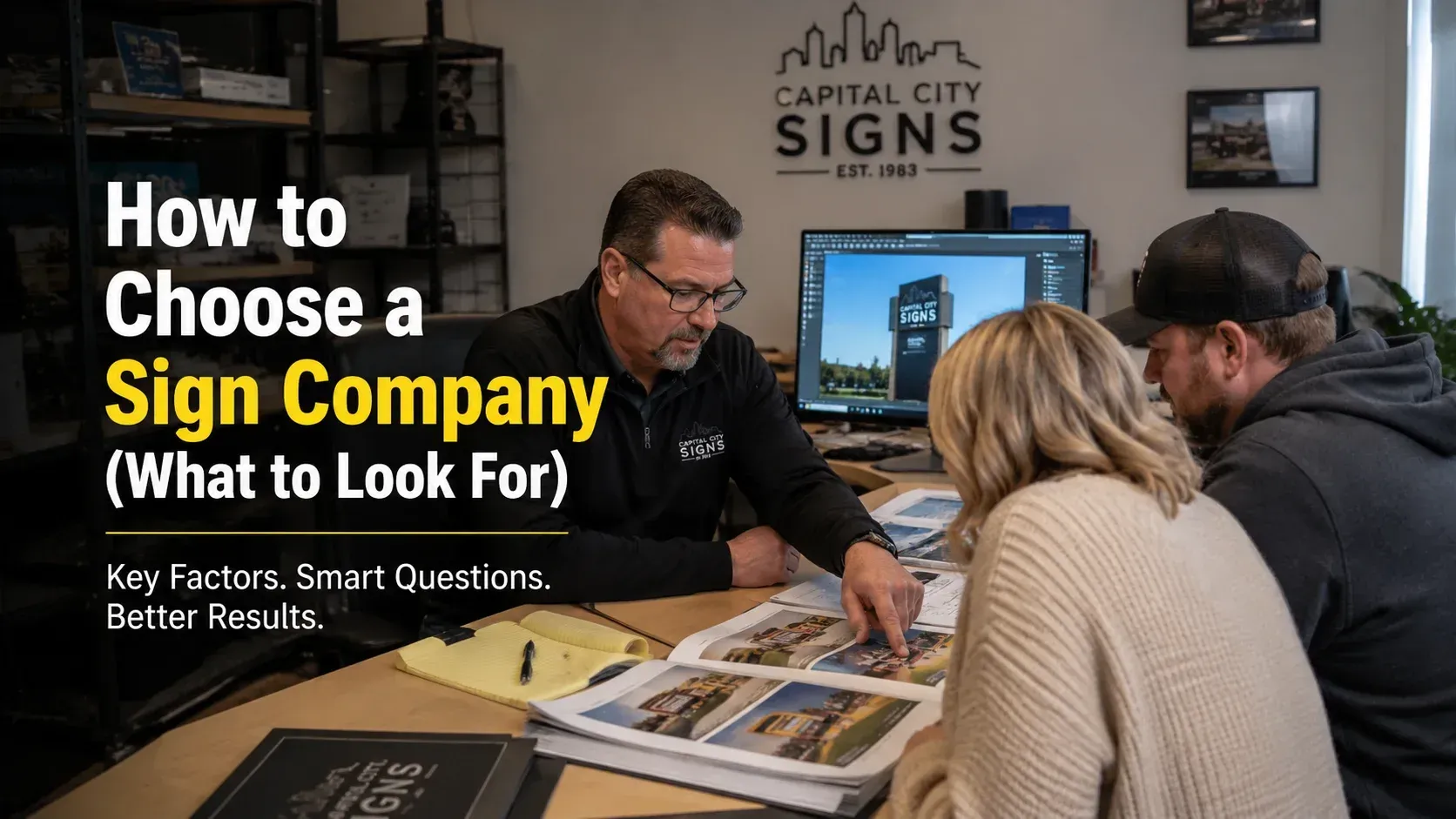
How to Choose a Sign Company (What to Look For)
Clear sightlines are essential. Before finalizing a sign install, it is important to view the location from multiple angles and distances. This helps ensure that the sign remains visible under different conditions and at different times of day. A sign that looks perfect from one perspective may be partially hidden from another.
Aligning Sign Placement With Brand Goals

Table of Contents
- Introduction
- Why the Right Sign Company Matters
- Checking Licensing, Insurance, and Permitting Knowledge
- Evaluating Design and Fabrication Experience
- Asking About Installation Practices
- Understanding Maintenance and Repair Support
- Comparing Turnaround Time and Communication
- Reviewing Past Work and Project History
- Questions Worth Asking Before You Sign a Contract
- Conclusion
- Summary: Book a Discovery Call
- Frequently Asked Questions
Key Takeaways
- A reliable sign company should be able to show proof of insurance, licensing where applicable, and a clear permitting process for your local municipality.
- Design experience matters just as much as fabrication skill, since a sign needs to work visually and structurally for your specific property.
- Asking about warranty terms, maintenance support, and turnaround time upfront can help you avoid confusion later in the project.
- A local sign company often has more familiarity with Wisconsin zoning codes and permitting requirements than an out-of-state vendor.
- Reviewing past work, whether through a portfolio or completed projects, gives you a more accurate sense of what to expect than marketing claims alone.
Introduction
Choosing a sign company comes down to checking a few practical things: licensing and insurance, design and fabrication experience, installation practices, and how the company handles maintenance after the sign goes up. For business owners in Wisconsin, this decision affects more than just how a storefront looks. It touches zoning compliance, long-term durability, and how much support you'll have if something needs repair down the road.
This matters because signage isn't a purchase you make often. Most businesses install a sign and expect it to last for years, sometimes decades. Picking the wrong signage business for the job can mean dealing with permitting delays, structural issues, or a sign that simply doesn't hold up to Wisconsin weather.
Why the Right Sign Company Matters
A sign is often the first physical impression a customer has of your business. Beyond appearance, it also has to meet code requirements, withstand weather, and function properly if it includes lighting or electrical components.
Hiring a sign company that understands these layers, not just the visual design, can prevent problems that show up months or years after installation. This includes things like improper mounting, incorrect permitting, or electrical work that doesn't meet code.
Because of this, it helps to think of sign selection as a vetting process rather than a quick decision based on price alone.
Checking Licensing, Insurance, and Permitting Knowledge
Before hiring any local sign company, it's worth confirming they carry liability insurance and, where applicable, the right licensing for electrical or structural work. This protects you if something goes wrong during installation.
Permitting is another area where experience matters. Wisconsin municipalities each have their own sign codes, covering things like height limits, setbacks, and illumination rules. A sign company familiar with your local
permitting office can often navigate this process more efficiently than one unfamiliar with the area.
Why Local Knowledge Can Help
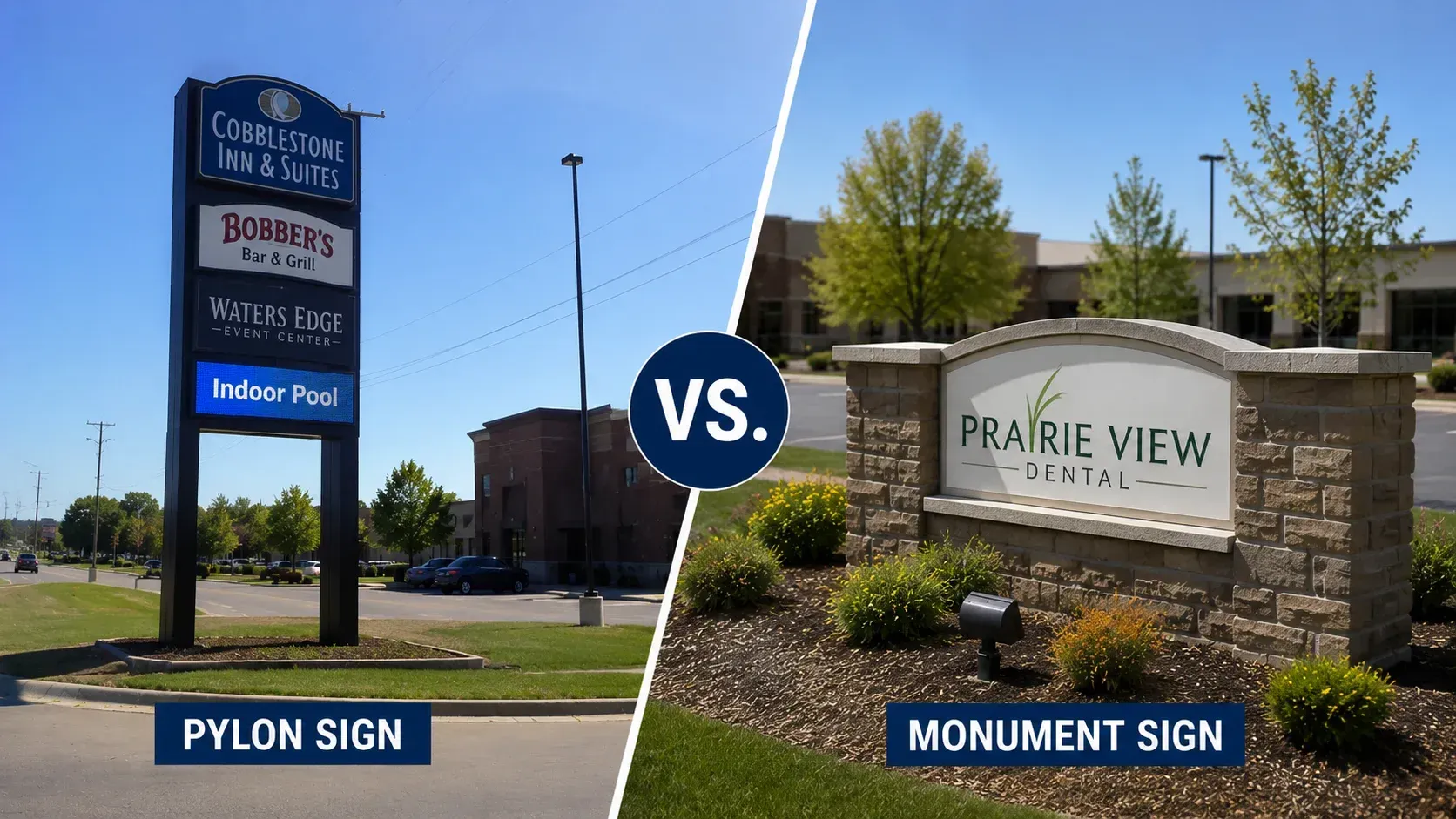
The most obvious difference is height. Pylon signs are built to be seen from a distance, often dozens of feet away or more, while monument signs are meant to be read at closer range, usually within a few hundred feet.
Cost is another factor that varies based on size, materials, and site conditions rather than sign type alone. A simple monument sign can sometimes cost less than an elaborate pylon sign, but a large illuminated pylon structure can also cost more than a basic monument design. There's no fixed rule that one category is automatically cheaper than the other.
Footprint and land use also differ. Pylon signs need less ground space since most of the structure is vertical, while monument signs require a wider base and sometimes landscaping around them to look intentional rather than out of place.
Visibility and Location Considerations
A sign company based in Wisconsin, or one with direct experience working in your municipality, typically has a better understanding of regional code variations. This doesn't guarantee a faster process, but it can reduce the chances of submitting a permit application that gets sent back for revisions.
Evaluating Design and Fabrication Experience
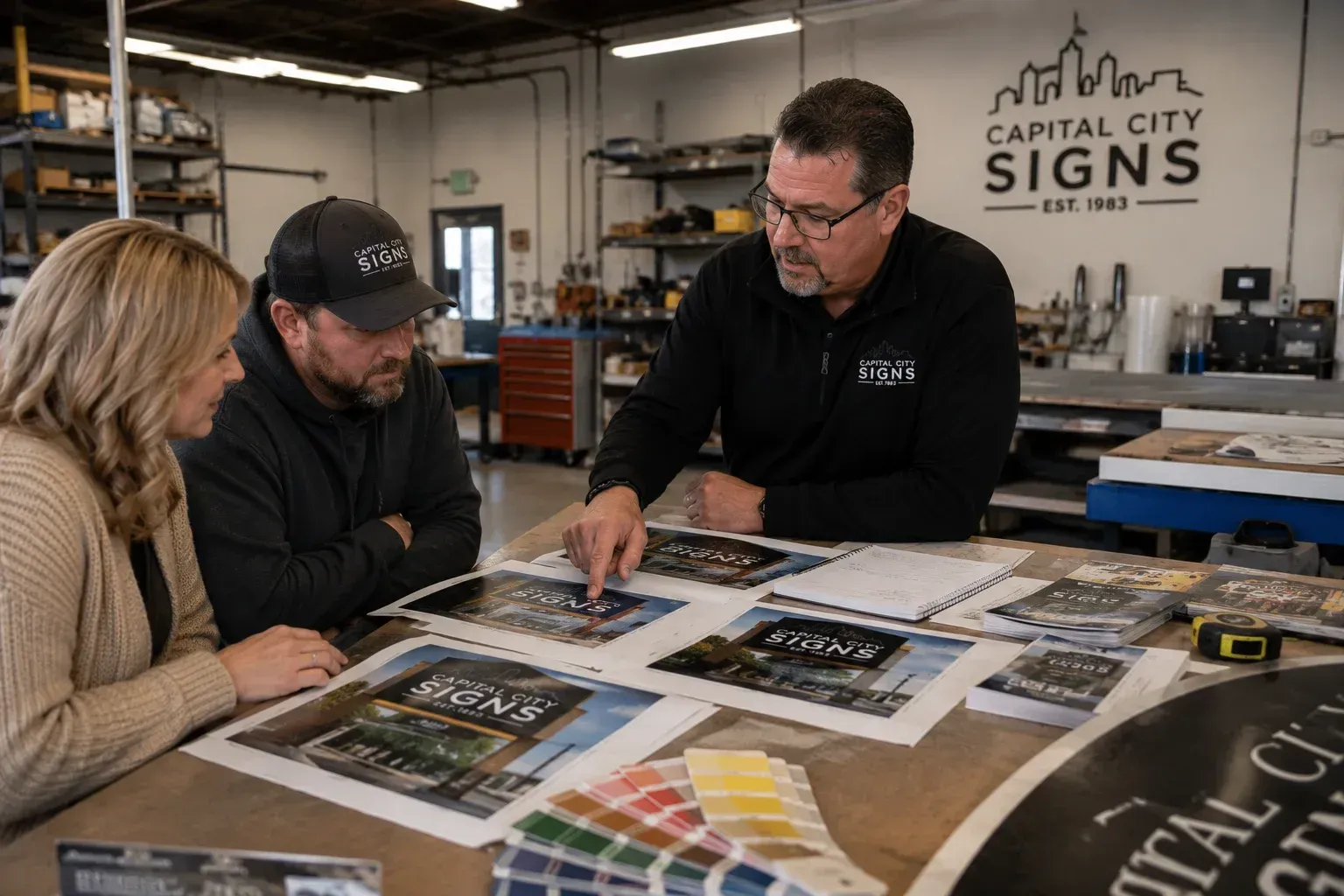
Design and fabrication are two different skill sets, and not every sign company handles both equally well. Design involves understanding visibility, branding, and how a sign will read from different distances and angles.
Fabrication involves the physical construction, materials selection, and structural integrity of the sign itself. A company strong in one area but weak in the other may produce a sign that looks good on paper but doesn't perform as expected once installed.
Asking to see examples of completed signs, ideally ones similar to what you're considering, can give you a clearer picture of how a company handles both design and fabrication together.
Asking About Installation Practices
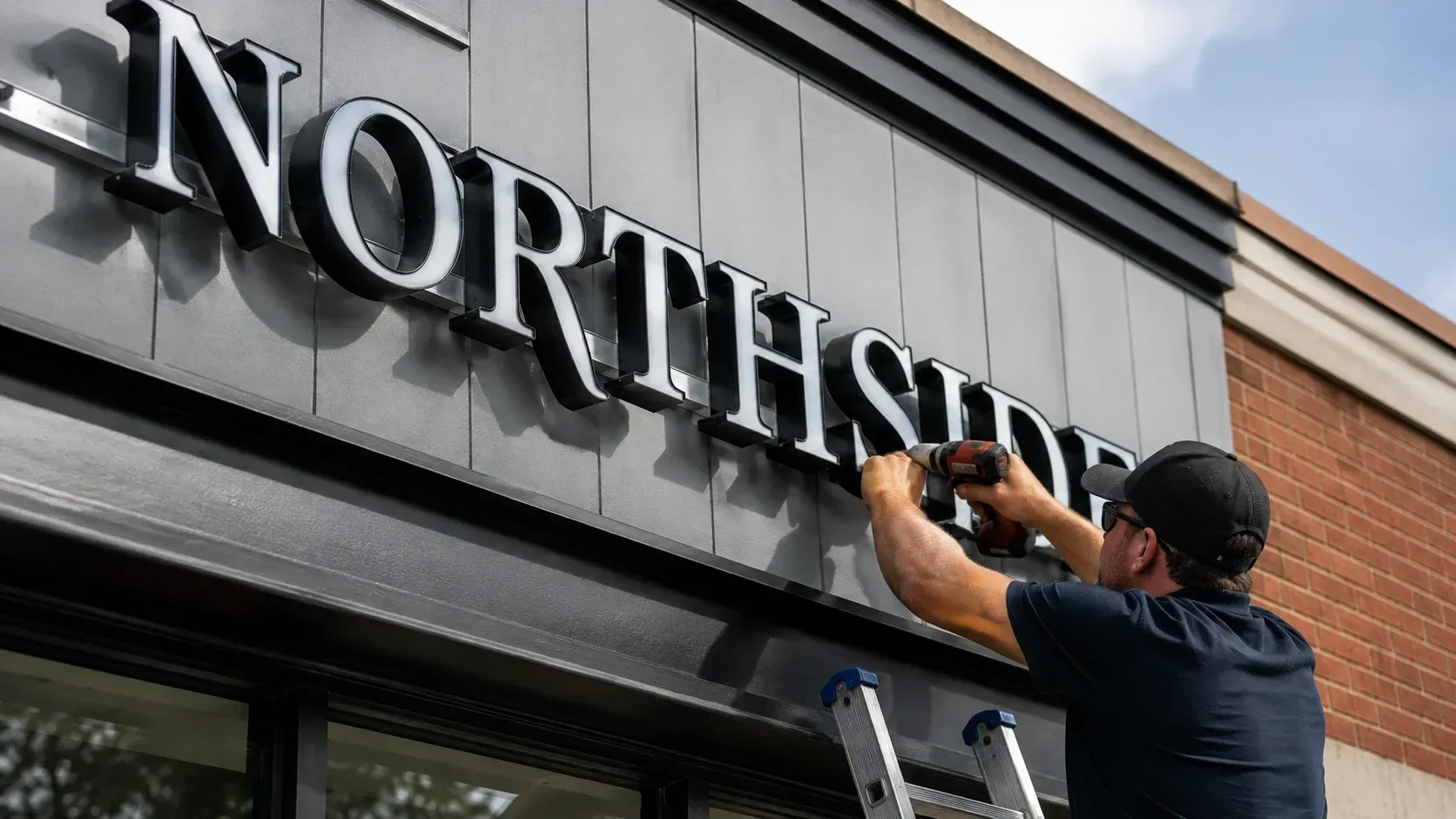
Installation is where a lot of sign projects succeed or run into trouble. A poorly installed sign, even one that was well designed, can develop issues like loose mounting, water intrusion, or electrical faults.
It's reasonable to ask a sign company about their installation process, including how they handle site evaluation, structural planning, and final inspection. A company that can walk you through these steps clearly is usually one that takes the process seriously.
Site Evaluation Before Installation
Some signage businesses perform a site survey before finalizing a design, checking for underground utilities, property setbacks, and existing structural conditions. This step can prevent costly surprises later in the project.
Understanding Maintenance and Repair Support
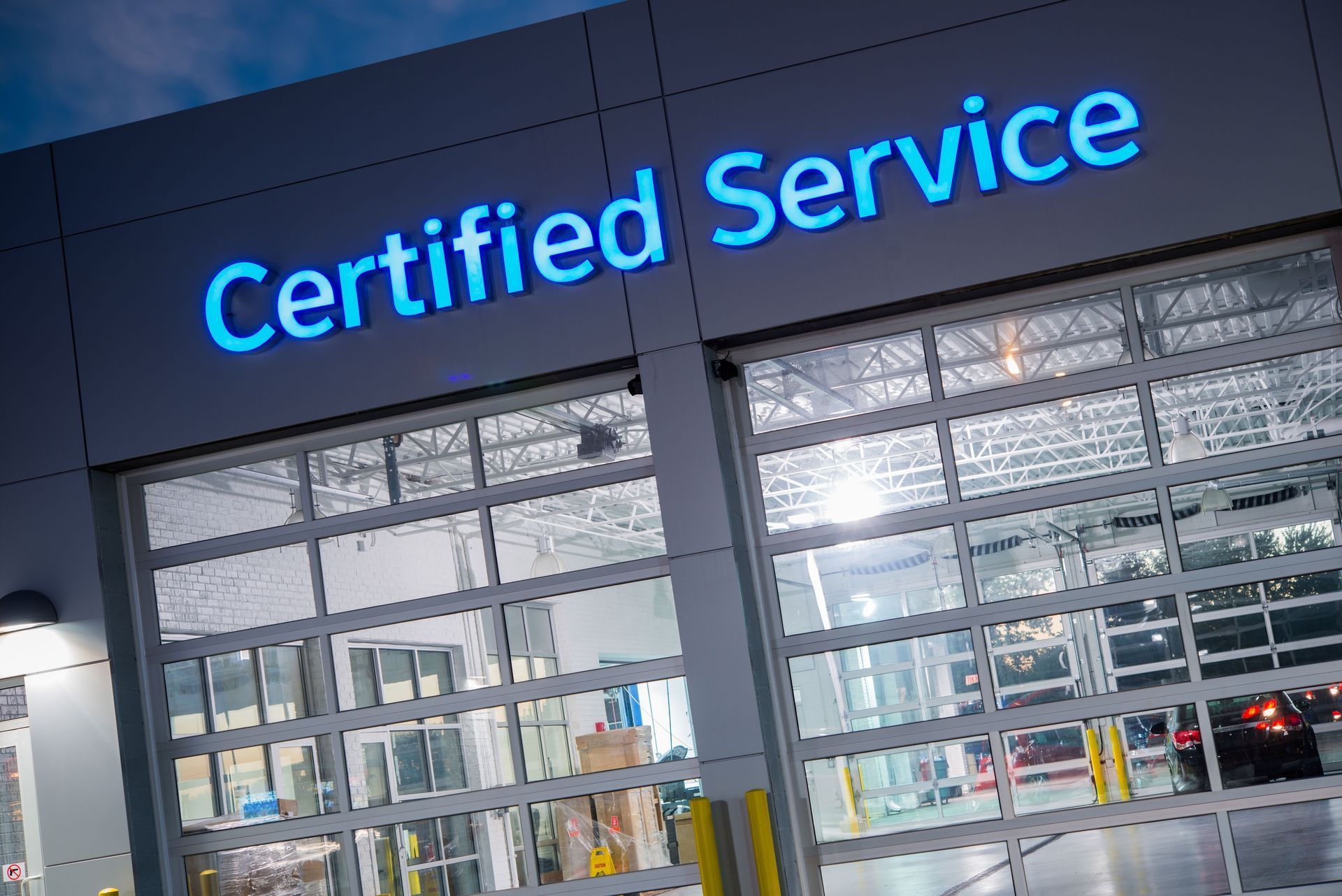
Signs require maintenance over time, especially illuminated ones. Bulbs or LEDs may need replacement, wiring can wear down, and panels can shift or loosen due to weather exposure.
Before committing to a sign company, it's worth asking whether they offer ongoing maintenance or repair services, and what that process typically involves. Some companies handle this in-house, while others may refer you elsewhere once installation is complete.
Knowing this upfront can help you plan for the long-term cost and logistics of keeping your sign in working condition.
Comparing Turnaround Time and Communication
Turnaround time varies depending on the complexity of the sign, permitting requirements, and the company's current workload. It's reasonable to ask for a general timeline before starting a project, understanding that unexpected delays, such as permit revisions, can still occur.
Communication during the process matters as well. A sign company that provides updates and answers questions clearly tends to make the overall experience smoother, even if the project itself takes time.
Reviewing Past Work and Project History
Looking at a sign company's past projects can tell you more than marketing materials alone. This might include a portfolio, photos of completed signs, or simply driving by businesses in your area that use their work.
Pay attention to how signs from a particular company have held up over time. A sign that still looks clean and functional after several years says more about quality than a brand-new installation alone.
What to Look For in a Portfolio
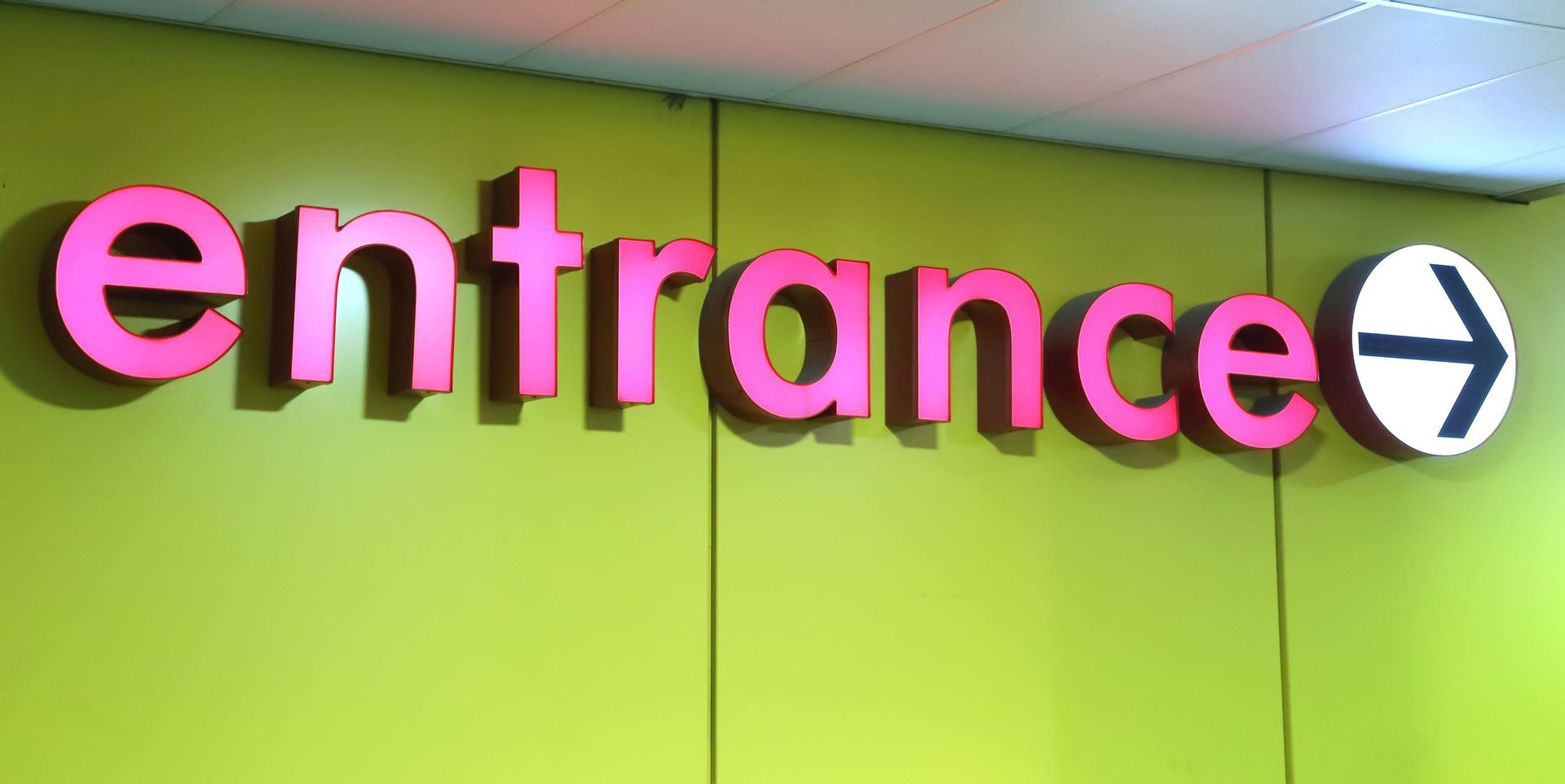
A varied portfolio, showing different sign types like illuminated signs, monument signs, or interior signage, can indicate a company's range of experience rather than a narrow specialty in just one product type.
Questions Worth Asking Before You Sign a Contract
A few direct questions can clarify expectations before any work begins. These might include:
- What is included in the project estimate, and what could result in additional costs?
- Who handles the permitting process, and what happens if a permit is denied or delayed?
- What is the expected timeline from design approval to installation?
- What does the warranty cover, and for how long?
- Who do I contact if the sign needs repair after installation?
Getting clear answers to these questions in writing can help avoid misunderstandings later.
Conclusion
Choosing a sign company involves more than comparing price quotes. Licensing, insurance, design and fabrication experience, installation practices, and ongoing maintenance support all play a role in how well a sign performs over time. For business owners in Wisconsin, working with a sign company familiar with local zoning and permitting requirements can also reduce friction during the approval process.
Taking time to ask direct questions and review past work before signing a contract can help you make a more informed decision, one based on practical evidence rather than assumptions.
Summary: Book a Discovery Call
If you're still working through what to look for in a sign company, a short conversation can help clarify the process and answer specific questions about your property or project. This isn't about being sold on a particular package, it's simply a chance to ask questions and get a clearer sense of what's realistic before you commit. Reaching out for a no-pressure discovery call can be a useful next step if you want more specific guidance based on your situation.
Frequently Asked Questions
What should I check before hiring a local sign company?
It's reasonable to confirm the company carries liability insurance, has experience with local permitting, and can show examples of past work. Asking about installation and maintenance practices is also worth doing upfront.
Does a sign company need to be licensed in Wisconsin?
Licensing requirements can vary depending on the type of work involved, particularly for electrical components. Confirming licensing directly with the company is recommended rather than assuming based on advertising.
How do I know if a sign company has design experience?
Reviewing a portfolio or asking to see photos of completed projects can give you a sense of design experience. Companies with a range of completed sign types often demonstrate broader capability.
What questions should I ask about installation?
Asking about site evaluation, structural planning, and final inspection steps can help you understand how thorough the company's installation process is.
Do all sign companies offer maintenance after installation?
Not always. Some companies provide ongoing maintenance and repair services in-house, while others may not. It's worth asking directly before signing a contract.
Why does local experience matter when choosing a sign company?
A sign company familiar with Wisconsin municipalities often has more direct experience navigating local zoning and permitting requirements, which can make the approval process more straightforward.
How long does it typically take to get a sign installed?
Turnaround time depends on the complexity of the sign and the permitting process. Asking for a general timeline upfront, while understanding that delays can occur, helps set realistic expectations.