
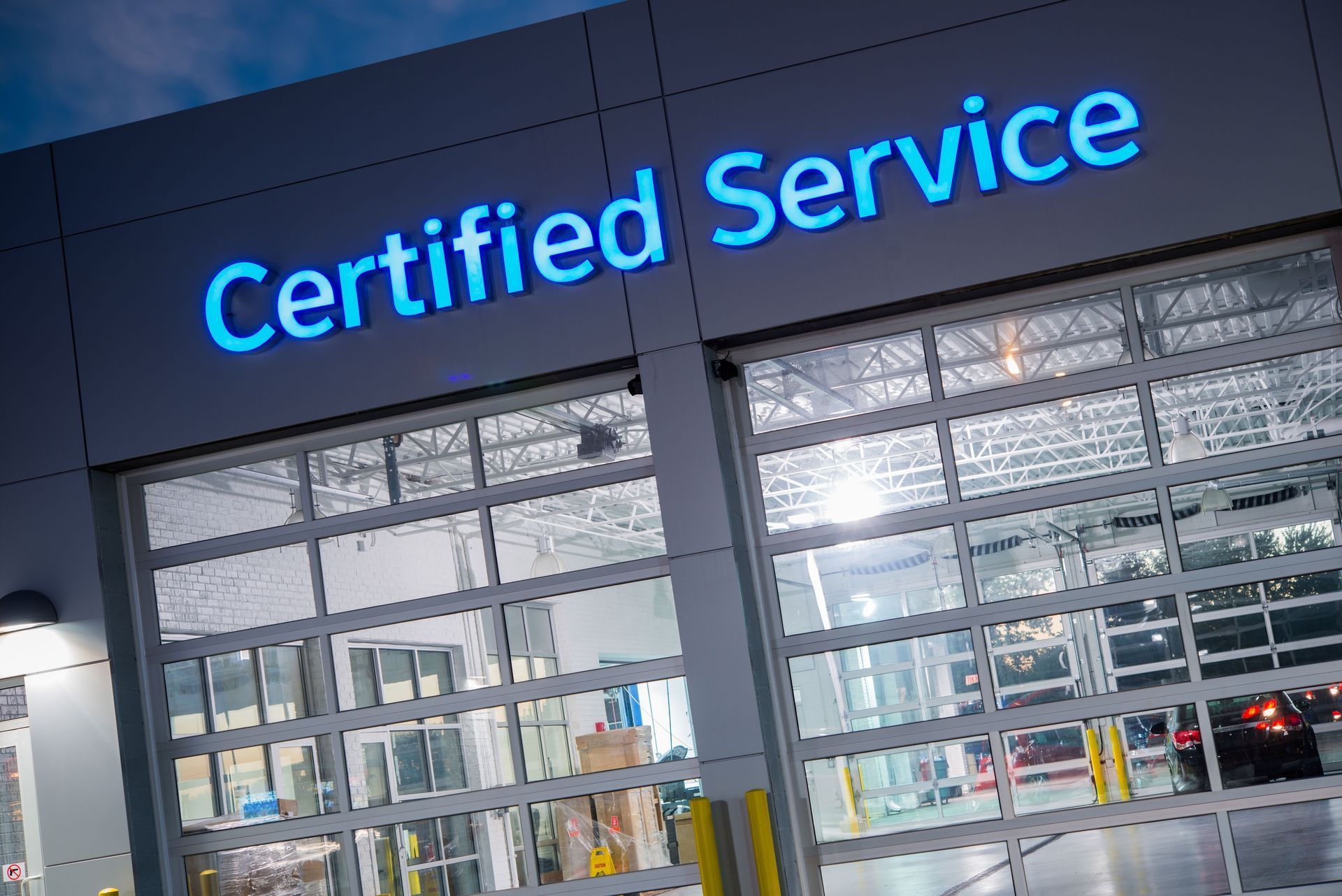

Sign Install: Choosing the Right Location for Maximum Sign Visibility
Choosing the right location for a sign install can make the difference between a sign that gets ignored and one that consistently drives attention, engagement, and conversions. Even the most beautifully designed signage will fall short if it is not positioned where people can easily see and process it. Businesses that take the time to strategically plan their sign install often experience stronger brand visibility, increased foot traffic, and better overall marketing performance.
A successful sign install is not just about placing a sign where there is available space. It involves understanding how people move, where they look, and what catches their attention in different environments. From busy streets to quiet storefronts, every setting requires a tailored approach to maximize visibility.
Understanding Traffic Flow and Viewing Patterns
One of the most important aspects of any sign install is analyzing how people move through a space. Whether the audience is walking, driving, or commuting, their speed and direction influence how they interact with signage. A sign placed in a high-traffic area has greater potential, but only if it is positioned in a way that aligns with natural viewing angles.
For pedestrian-heavy areas, eye-level placement tends to work best. People are more likely to notice signage that falls within their direct line of sight without requiring them to look up or down. In contrast, roadside signage must account for drivers who have limited time to process information. In these cases, a sign install should focus on clear visibility from a distance and avoid visual clutter.
Understanding traffic patterns also helps determine the best side of a street or building for placement. Signs that face incoming traffic rather than outgoing traffic are often more effective because they capture attention as people approach rather than after they pass.
Evaluating Sightlines and Obstructions
A sign install should always consider potential obstructions that could block visibility. Trees, utility poles, parked vehicles, and nearby structures can all interfere with how well a sign is seen. Even temporary obstructions, such as delivery trucks or seasonal decorations, can impact effectiveness.
Clear sightlines are essential. Before finalizing a sign install, it is important to view the location from multiple angles and distances. This helps ensure that the sign remains visible under different conditions and at different times of day. A sign that looks perfect from one perspective may be partially hidden from another.
Lighting conditions also play a role in visibility. Shadows cast by buildings or surrounding elements can make signage difficult to read. A well-planned sign install takes into account how natural and artificial light interact with the sign throughout the day.
Considering Height and Scale for Impact
The height and size of a sign are critical factors in determining how easily it can be seen. A sign install that is too small may get lost in a busy environment, while one that is too large can overwhelm the space or violate local guidelines.
Finding the right balance requires understanding the viewing distance. Signs intended to be seen from afar should be larger and positioned higher, while those meant for close-up viewing can be smaller and more detailed. The goal of any sign install is to ensure that the message is legible and visually appealing at the intended distance.
Scale also affects how a sign fits within its surroundings. A sign that complements the architecture and environment tends to attract more positive attention. When a sign install feels integrated rather than intrusive, it enhances both visibility and brand perception.
Maximizing Visibility Through Strategic Placement
Strategic placement is at the heart of an effective sign install. Positioning a sign near decision points, such as entrances, intersections, or parking areas, increases the likelihood that it will influence behavior. These are the moments when people are most receptive to visual cues.
Corner locations are often ideal because they provide exposure from multiple directions. Similarly, placing signage near entrances ensures that it is seen by individuals who are already considering engaging with the business. A thoughtful sign install leverages these high-impact areas to maximize reach.
Digital signage can further enhance visibility when used correctly. According to AI Screen, digital signage has a recall rate of up to 83%. This highlights the importance of not only where a sign is placed but also how it communicates. A well-executed sign install that incorporates dynamic elements can leave a lasting impression on viewers.
Adapting to Environmental and Local Factors
Every location presents unique challenges and opportunities for a sign install. Weather conditions, local regulations, and surrounding businesses all influence what works best. For example, areas with frequent rain or intense sunlight may require materials and finishes that maintain visibility under changing conditions.
Local zoning laws and signage regulations must also be considered. These guidelines often dictate size, height, lighting, and placement. A compliant sign install avoids potential issues while still achieving strong visibility.
The surrounding environment can either enhance or compete with a sign. In a crowded commercial area, bold and distinctive signage may be necessary to stand out. In quieter settings, a more subtle approach can be equally effective. Tailoring the sign install to the specific environment ensures that it resonates with the intended audience.
Analyzing Visibility From Multiple Perspectives
A strong sign install does not rely on a single viewpoint. Instead, it considers how the sign appears from multiple perspectives, ensuring consistent visibility no matter where the audience is coming from. People rarely approach a business from just one direction, so evaluating different angles is essential to maximizing exposure.
When planning a sign install, it is important to walk the area and observe the space as a customer would. Approach the location from nearby streets, sidewalks, and parking areas to see how early the sign becomes visible and how long it remains in view. This process often reveals blind spots or missed opportunities that are not obvious at first glance.
Perspective also affects readability. A sign that looks clear when viewed straight on may become difficult to read when seen from an angle. Adjusting placement, orientation, or even slight positioning changes can significantly improve how well the message is communicated. A thoughtful sign install ensures that the design remains legible across various lines of sight.
Aligning Sign Placement With Brand Goals
A sign install should always support the broader goals of a business. Whether the objective is to increase foot traffic, build brand awareness, or promote specific offerings, the placement of signage plays a key role in achieving these outcomes.
Consistency is important. Signs should be placed in locations that reinforce brand identity and create a cohesive experience for customers. A well-planned sign install aligns with other marketing efforts, creating a unified message across all touchpoints.
It is also valuable to evaluate performance over time. Monitoring how a sign install impacts visibility and engagement can provide insights for future improvements. Adjustments to placement, design, or lighting can further enhance effectiveness and ensure long-term success.
A strategic approach to sign install goes beyond aesthetics. It requires careful consideration of movement, visibility, environment, and brand alignment. When all of these elements come together, signage becomes a powerful tool for communication and growth.
If you are ready to elevate your visibility and make every sign count, Capital City Signs is here to help. Our team approaches every project with a focus on precision, strategy, and results, ensuring your sign install delivers maximum impact where it matters most.


Share On: